Imagine standing on a viewpoint where a series of identical, cone-shaped hills stretch out across the horizon, each rising 30 to 50 meters tall, inverted like a big canopy of chocolate, perfect to be natural. You wonder – How is such a place even possible? Yet it’s real. This is Bohol’s legendary Chocolate Hills. Seeing it in person feels like stepping into another world.
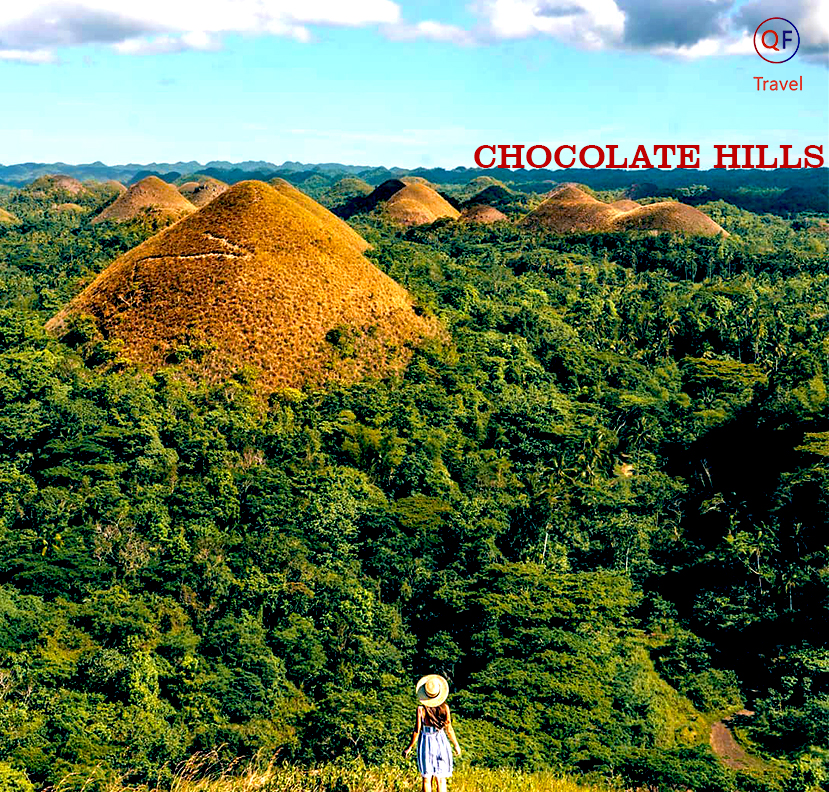
So, let’s uncover the adventure behind the Chocolate Hills — the national geological monument of the Philippines.
The Chocolate Hills are naturally formed, grass‑covered limestone mounds, estimated between 1,260 and 1,776 in number, ranging from 30 to 120 m in height (mostly 30–50 m), spread over more than 50 km² in central Bohol around Carmen, Batuan, Sagbayan, Bilar, Valencia, and Sierra Bullones.
Why the Name "Chocolate Hills"?
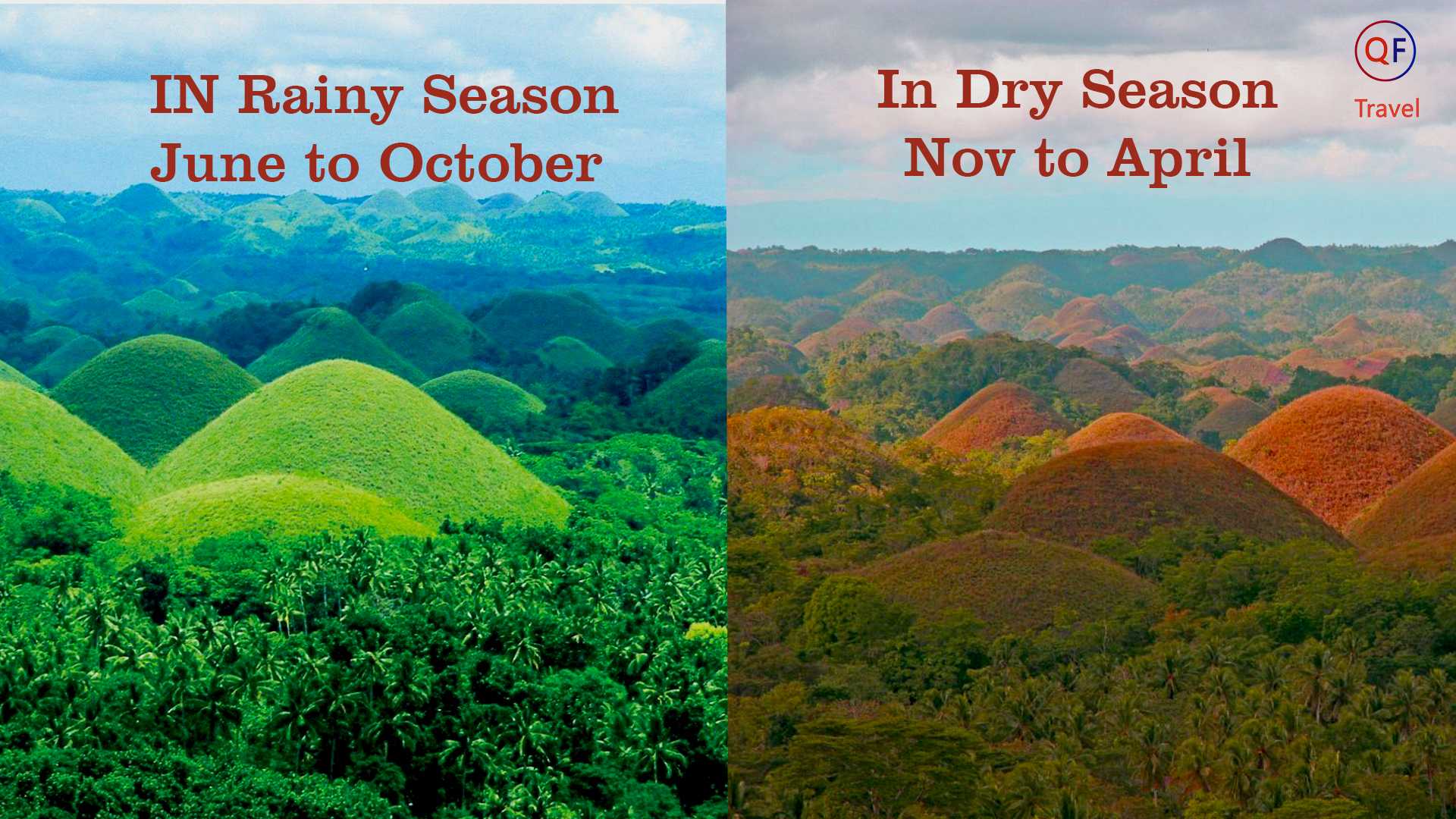
The hills are called “Chocolate Hills” because during the rainy season, they are lush green, covered with grass (Cogon Grass), but in the dry season, the grass dries up and turns brown. From a distance, the hills look like giant drops or truffles of chocolate scattered across the land. That’s why they’re called “Chocolate Hills.” The name is based purely on their changing color and shape; there’s no actual chocolate there!.
How was it formed?
Chocolate Hills were formed over millions of years through a combination of geological and environmental processes. These unique mounds are coral deposits and marine limestone which under the seabed and were uplifted from the seafloor due to tectonic movements.
Over time, rainwater, which is naturally slightly acidic, slowly dissolved the limestone, shaping the land through a process known as karst erosion. This natural sculpting created the cone-like shapes we see today, hill smooth, symmetrical, and seemingly hand-carved by nature.
Wind, rain, and time continued to polish their surfaces, while a thin layer of soil allowed only grasses—like cogon and carabao grass—to grow on top. The result? Over a thousand dome-shaped hills rise from the earth in perfect rhythm, unlike anything else in the world.
The mythological story of its formation in Filipino culture:
A story in Visayan folk culture about the formation of the Chocolate Hills is very famous -The legend of Arogo and Aloya
The Legend of Arogo and Aloya
Arogo was a kind-hearted, mighty giant. One day, while wandering near a river along a village in Bohol, he saw a young mortal woman named Aloya fishing by the riverbank. She looked unhappy because she hadn’t caught any fish. Arogo approached her gently and helped her catch some.
The next day, they met again at the same spot. Over time, they fell deeply in love.
But the villagers grew fearful. Seeing a giant near their homes, they believed he was a threat. One day, when they tried to attack Arogo, a stone was thrown—but it tragically struck Aloya instead. She died in Arogo’s arms.
Heartbroken, Arogo fell into immense grief and pain. He wept for days and nights. His sorrow was so deep that his tears fell endlessly to the earth. When they dried, they hardened into hills, forming what we now call the Chocolate Hills of Bohol.

Why is Chocolate Hill famous?
The Chocolate Hills are famous for their perfect dom shape and unique geographical appearance, which creates a mystery among tourists. how did more than a thousand cone-shaped hills form in the middle of a green landscape?
This origin creates curiosity—millions of years ago, this land was part of the seabed. But due to tectonic forces, the seabed was pushed upward, and over time, wind and rain slowly eroded the exposed limestone, carving out more than a thousand cone-shaped hills
The seasonal color change also attracts tourists. During the rainy season, the hills are covered in lush green grass, while in the dry season, the grass dries up and turns chocolate brown, giving the hills their famous name, “Chocolate Hill.”
it is a must-visit destination in Bohol, offering a vivid and spellbinding natural landscape. The lush greenery and calm surroundings create a sense of peace, transporting visitors into another world. Standing at the viewing point offers breathtaking, picturesque views of the Chocolate Hills stretching across the horizon.
How to reach?
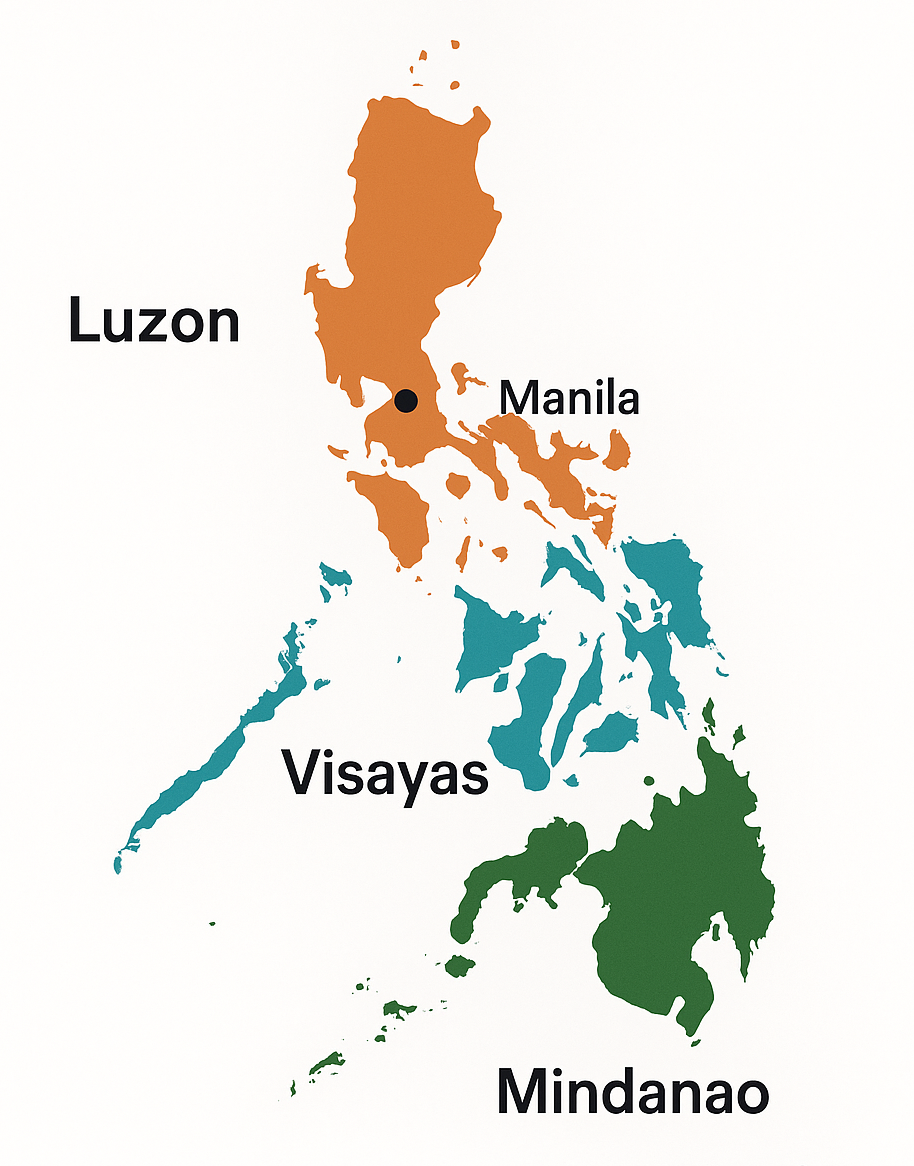
The Philippines is divided into three main island groups:
1. Luzon
- Main city: Manila (which is also the capital of the Philippines)
2. Visayas
- Main city: Cebu
- The Visayas is a group of islands in the central Philippines. Cebu is its most prominent city after Manila.
3. Mindanao
Going to the hills, let's first understand the Bahol region for short
Bohol is a group of about 75 islands located near Cebu City. It is the 10th largest province by land area, with 1 component city and 47 municipal towns. Tagbilaran, the capital, is the largest city in Bohol.
Panglao Island is the most famous and tourist-developed island, connected to Tagbilaran City by two bridges with land.
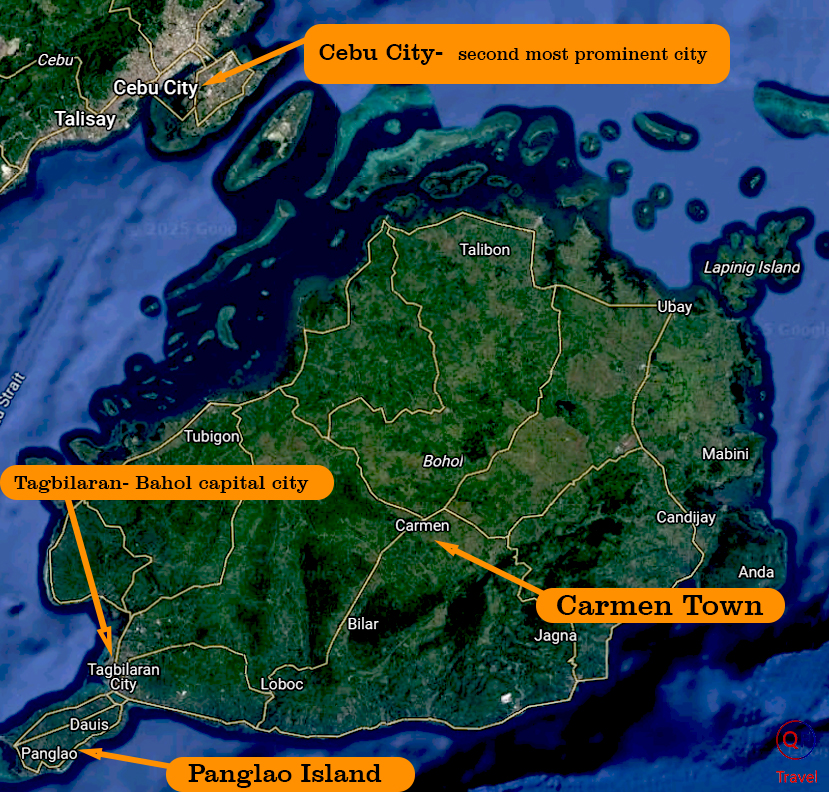
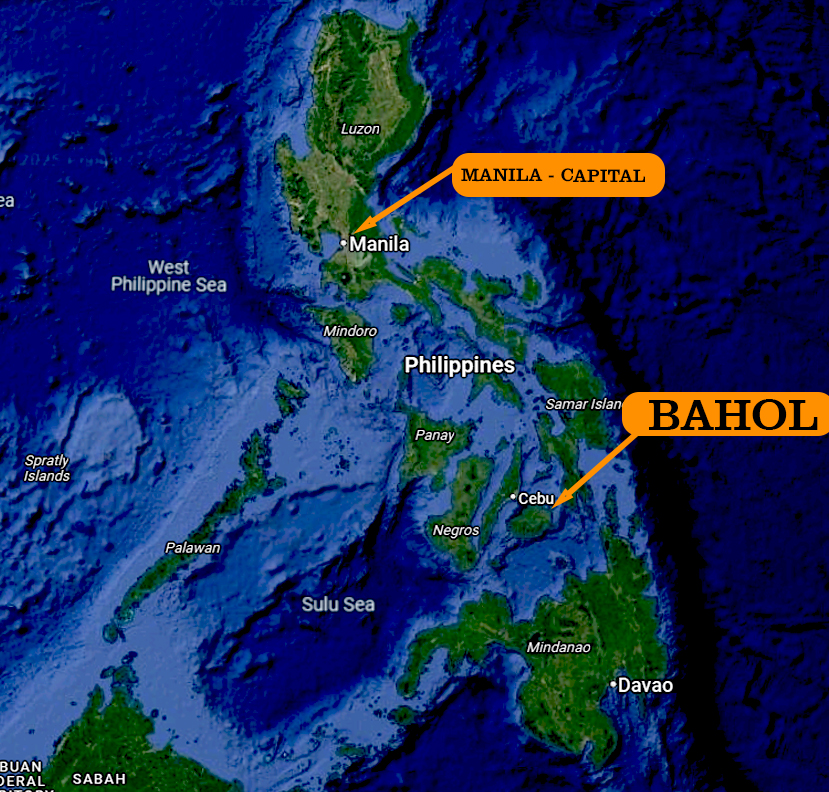
The famous Chocolate Hills are located near the town of Carmen, one of the municipalities in Bohol.
There are many scenic spots around Carmen, so you can plan your trip in two ways:
Plan 1 - Stay in Carmen for a quiet countryside experience
Plan 2- Or stay in Panglao, which is more developed for tourists and close to the beach, and a magnificent resort
Visiting the Chocolate Hills is usually a one-day trip. You can plan a 5-day Bohol tour from Panglao like this:
- Days 1-2: Relax and enjoy the beaches in Panglao
- Day 3: Take a day trip to the Chocolate Hills Viewpoint in Carmen
- Day 4-5: Visit nearby attractions like the Tarsier Sanctuary, Hinagdanan Cave, or go island hopping
Reach the Chocolate Hills in Carmen – Two Simple Steps------
Step 1: Reach Panglao Island
From the capital Manila ( by Flight, 1.5 hours):
The fastest and most convenient way to reach Panglao from Manila is by direct flight. Several domestic airlines operate daily flights from Ninoy Aquino International Airport (NAIA) in Manila to Bohol–Panglao International Airport. This airport is located on Panglao Island itself, making it very easy for travelers to reach their beach resorts or hotels shortly after landing. The flight duration is around one and a half hours. Upon arrival, most hotels and resorts offer shuttle services, or you can take a taxi or tricycle, depending on where you're staying on the island. This route is ideal for travelers who want to save time and avoid layovers or ferry transfers.
From Cebu City (by ferry - 2 Hours):
Traveling from Cebu to Panglao involves crossing the sea between Cebu Island and Bohol Island, where Panglao is located. The most common option is to take a fast ferry from Cebu City. These ferries operate daily and depart from Pier 1 in Cebu. The ferry ride to Tagbilaran City, the capital of Bohol, takes approximately two hours. It's best to book your tickets in advance during peak tourist seasons to secure a seat. Once you arrive at Tagbilaran Port, you can take a van, taxi, or tricycle to Panglao Island. The road trip from the port to Panglao typically takes 30 to 45 minutes, depending on traffic and your exact destination. There are limited flights available between Mactan–Cebu International Airport and Panglao, but they are not frequent and often not the first choice for most travelers due to timing and cost.

Step 2: Travel from Panglao to the Chocolate Hills in Carmen:
The Chocolate Hills are located in the town of Carmen, which lies in the central part of Bohol. To visit the famous viewpoint or "view deck," you will need to travel overland from Panglao Island. This journey typically takes about two to two and a half hours by car or van. The road passes through the provincial capital, Tagbilaran City, and then heads into the interior of Bohol, where you’ll see rice fields, small villages, and patches of forest. You can rent a private car, join an organized day tour, or hire a van with a driver. Some travelers also rent motorbikes or scooters for more flexibility, but this is recommended only for experienced riders as the distance is long and the road conditions vary. It’s best to start the trip early in the morning if you’re doing a day visit so you can enjoy the Chocolate Hills and nearby attractions like the Tarsier Sanctuary or Loboc River Cruise on the way back.
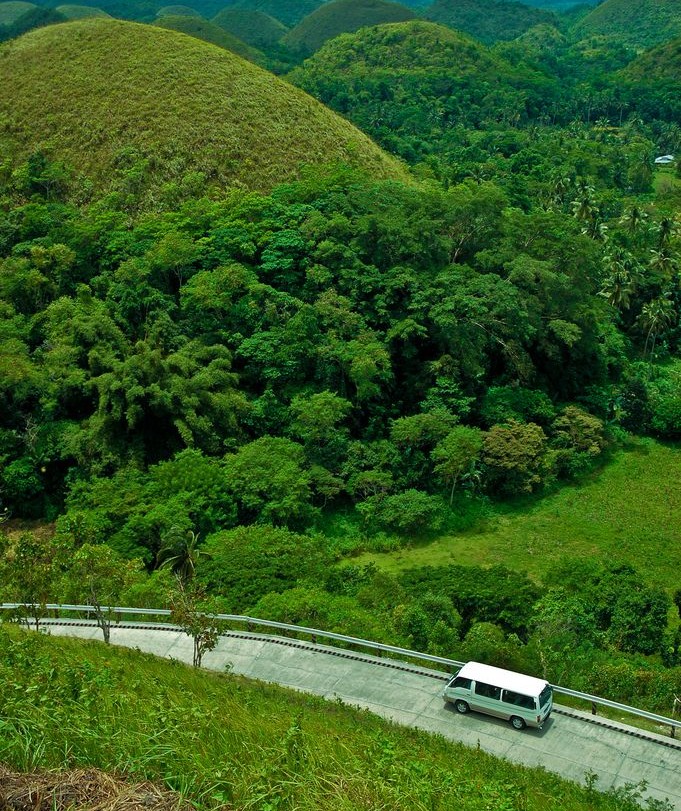
Visit to Chocolate Hill viewpoint
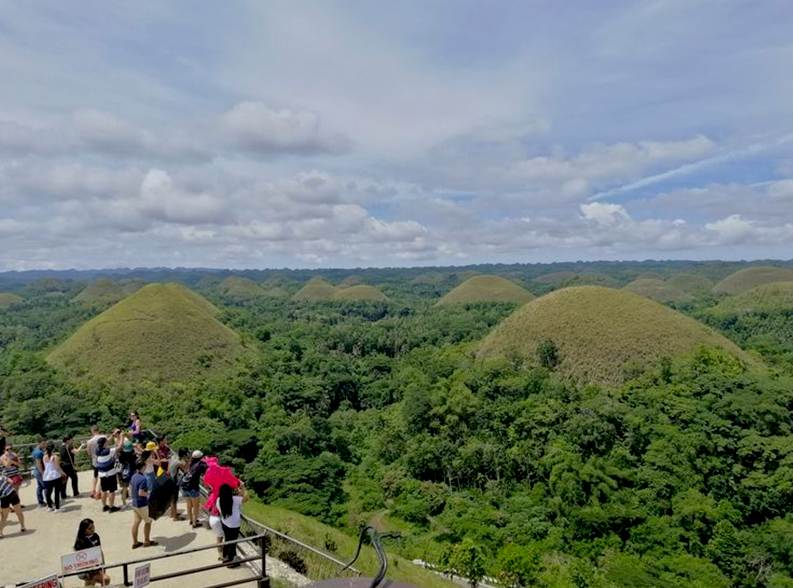
A visit to the Chocolate Hills Viewpoint in Carmen offers one of the most iconic landscapes in the Philippines. After a scenic 2–2.5 hour drive from Panglao, you arrive at a well-maintained park with a viewing deck that gives you a stunning panoramic view of the hills.
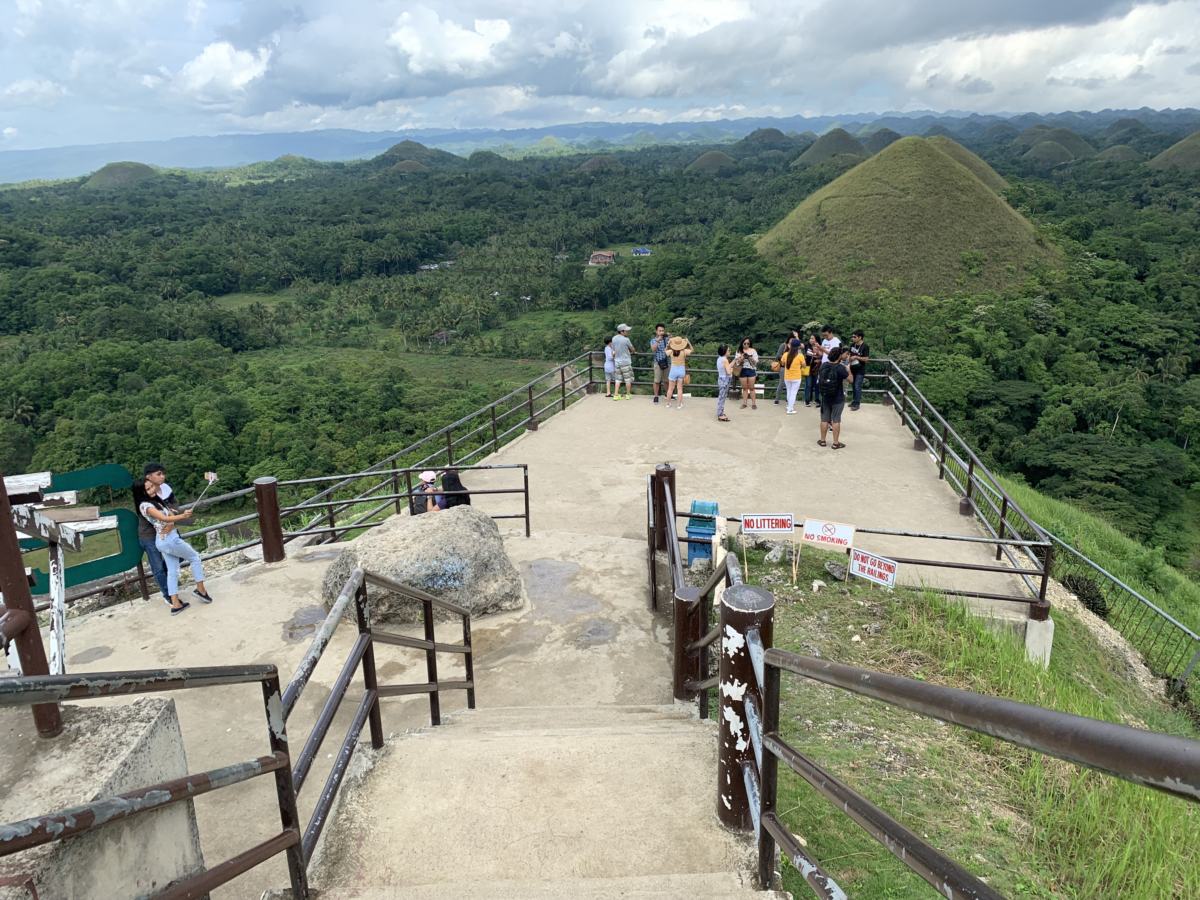
You’ll climb a short staircase-about 200-plus steps, to reach the top of the viewing deck. From there, you can see hundreds of symmetrical, grass-covered hills stretching as far as the eye can see. During the dry season, the green grass turns brown, giving its famous "chocolate" color.
It’s a peaceful and awe-inspiring spot, perfect for photos, relaxation, or simply taking in the natural wonder. Small shops and stalls nearby sell souvenirs, snacks, and drinks. The entrance fee is affordable, usually around ₱50 per person.
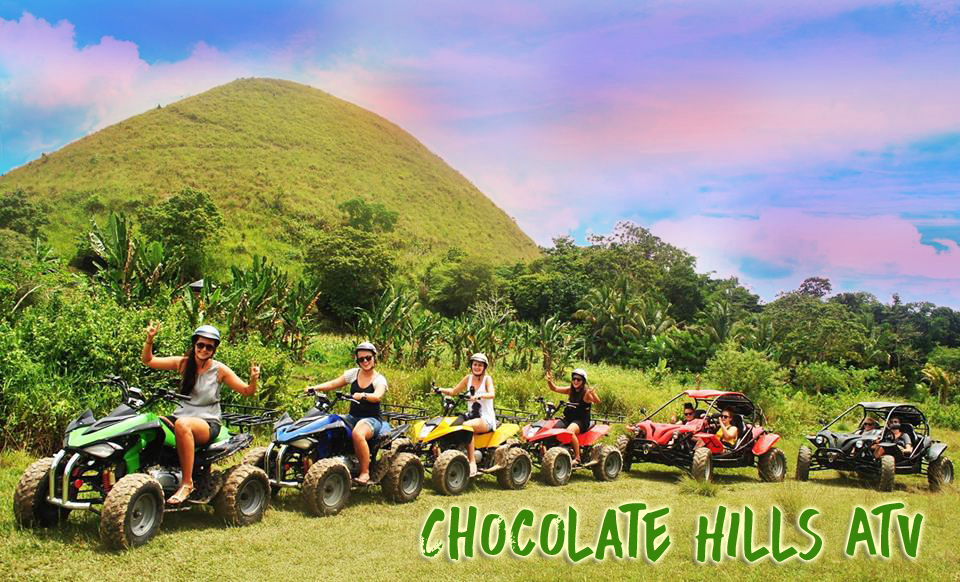
ATV Riding: Explore the Chocolate Hills up close with guided ATV tours through scenic trails.
Cost: Starts at around ₱1,000–₱1,500 per person for a 30–60 minute ride, depending on route and duration.
Best time to visit
- November to May (dry season, ideal weather)
- March to May (hills turn chocolate brown)
- Avoid: June to October (rainy season, poor visibility)
Saftey & precaution
- The area is safe and tourist-friendly
- Follow marked paths and stairs only
- Hold the handrail while climbing, especially if the steps are wet
- Keep your valuables secure and avoid leaving bags unattended
- Carry drinking water and wear sunscreen or a hat
- Climb slowly if you're not used to stairs (200+ steps)
- Avoid visiting in heavy rain – roads and steps may be slippery
- Watch out for fog – it can block the view